

We never rely on templates or off-the-shelf builds, and every application is scoped around your business.
Web App Development Company
Web app development company in London delivers custom and high-performance solutions for UK startups and enterprises in different industries. We design, develop, test, and support web apps to achieve your goals as one of the best web app development agencies in London. Our expertise covers a range of app development services, including custom web apps, e-commerce, API integrations, and web modernisation.











Web App Development Reviews
Trusted by 250+ global brands. Explore verified reviews across our specialized tech ecosystems.


Excellent communication, professionalism, and responsiveness throughout the project. Their commitment to delivering outstanding results made them a reliable development partner.Nia Lewis
Director, My Fit Month Ltd


Demonstrated outstanding expertise and professionalism while delivering top-notch results. A trusted partner for high-quality app development services.
Danny ThomasDigital Operations Manager, NGE Booking


Strong project management and timely delivery ensured a successful outcome. Their professionalism and reliability make them a dependable development partner.
Alex HobernManaging Director, Hop


Delivered all project requirements within the agreed timeline with dedication and efficiency. Their commitment and timely execution contributed to a successful project outcome.
Micheal HarrisUnify London Taxis Limited
Our Web Application Development Services
Our web application development services cover everything from custom web apps and e-commerce solutions to SPAs, PWAs, API integrations, and app modernisation.
Custom Web App Development
We build a web app around how your business works with initial scoping and UI/UX design through to development, deployment, and ongoing support.
E-commerce Web Development
Our e-commerce development covers order management, stock control, shipments, and payments to drive online sales.
SPA Development
SPA development builds fast and fluid web using React, Angular, or Vue.js from LAD, it loads once and updates without full page refreshes.
PWA Development
Take your web app with PWA, delivering offline capability and push notifications on any device without the app store.
API Development and Integration
We design and integrate APIs that connect your systems, data flow, and advanced functionalities that are built for security and scalability.
Web Application Modernisation
Outdated apps slow your business down. Our web modernisation upgrades your existing platform for better usability and zero downtime.
Web Design Services
Our web design services follow UI/UX best practices and feature responsive, device-ready designs to create experiences that look natural and drive conversions.
UI/UX Web Design
We design interfaces using wireframes and prototyping to final UI, ensuring interaction feels intentional and effortless.
Responsive Web Design
Every layout we create is optimised for desktops, tablets, and mobile devices, ensuring a consistent user experience in all screen sizes.
Web Support & Maintenance Services
Round-the-clock support, routine updates, and performance checks, keeping your web app stable and running.
Web App Testing & QA
Our web app testing covers over 150 devices and browsers, which are tested for load speed, security, and compatibility before anything goes live.
Web App Maintenance & Support
24/7 monitoring, security patches, performance tuning, and bug fixes help keep your apps reliable, fast, and secure long after launch.
Custom Web App Solutions for Various Industries
Our custom web app solutions reach in manufacturing, healthcare, fintech, and retail industries, to address the demands and compliance requirements of the sector.
Manufacturing
Web applications built for manufacturing simplify planning, supply chain visibility, and ERP integration, cutting delays and reducing processes on the floor.
Healthcare
Our web apps help healthcare providers digitalise workflows, reduce admin overhead, and improve patient outcomes from management systems to HIPAA-compliant data handling.
Retail
Retail web app connects your POS, inventory, and customer data in one place, giving you stock visibility and a buying journey from browse to checkout.
FinTech
We build secure, FCA-aligned web apps for FinTech businesses, handling complex financial data, transactions, and compliance reporting.
Real Estate
Real estate web apps centralise property listings, client management, and document handling, giving agents faster deal cycles for buyers and tenants.
Transportation
Route optimisation, fleet tracking, and booking management are all handled in a single web platform that cuts delays and keeps logistics running on schedule.
Oil & Gas
Web apps built for oil and gas manage asset tracking, field data collection, and HSE compliance reporting, to reduce errors in multi-site operations.
IT & Telecom
Telecom uses our web apps to manage service provisioning, customer accounts, and network data, to keep operations lean and customer satisfaction high.
Travel & Hospitality
Travel and hospitality web apps help you deliver personalised experiences at scale, from booking engines and itinerary management to CRM integrations.
Education
Web app for education support LMS integrations, student portals, and e-learning delivery, to make it easier to manage courses, track progress, and engage learners online.
Our Web App Development Process
Our web app development process follows a structured path from discovery to delivery, giving you visibility through every process of developing app stage and a final product built to perform.
Custom Web App Solutions for Various Industries
Our custom web app solutions reach in manufacturing, healthcare, fintech, and retail industries, to address the demands and compliance requirements of the sector.
Frontend
Backend
Platforms
Database
UI / UX
React
React is a JavaScript library for building user interfaces using reusable, component-based architecture with a virtual DOM and data flow through JSX syntax.
Why React is Ideal for Frontend:
Enables rapid development of UIs through declarative rendering and a mature ecosystem that accelerates cross-platform consistency.
Angular
Angular is a full-featured TypeScript framework that provides built-in routing, dependency injection, RxJS observables, and reactive forms for complex, large-scale apps.
Why Angular is Ideal for Frontend:
Offers tooling, strong typing, and an opinionated MVC structure that ensures consistency in enterprise-grade cross-platform projects.
Next.Js
Next.js is a meta-framework built on React that adds Server-Side Rendering (SSR), Static Site Generation (SSG), static regeneration, and file-based routing for optimised performance.
Why Next.js is Ideal for Frontend:
Combines client and server rendering to reduce initial load times and improve SEO, while maintaining a unified codebase for web and mobile-web experiences.
Vue.Js
Vue.js is a JavaScript framework with reactive data binding, Single-File Components (SFCs), and a template syntax with composition patterns.
Why Vue.js is Ideal for Frontend:
Provides a gentle learning curve and flexible component structure, making it ideal for teams building adaptive user interfaces in multiple screen sizes.
Flutter
Flutter is a UI toolkit that uses Dart to build native applications for mobile, web, and desktop from a single codebase with hot reload and a widget library.
Why Flutter is Ideal for Frontend:
Delivers pixel-perfect UI consistency, near-native performance through machine code, and rapid iteration cycles in platforms without interpreted script overhead.
Kotlin
Kotlin is a modern, statically-typed language for the JVM that integrates with Java, provides null safety, and is the language for Android native development.
Why Kotlin is Ideal for Frontend:
Reduces boilerplate code, enables developers to leverage Android's native UI frameworks and Material Design components while maintaining concise, readable syntax.
HTML5
HTML5 is the latest markup standard that includes semantic elements, canvas APIs, Web APIs, and landmarks for building modern, standards-compliant web experiences.
Why HTML5 is Ideal for Frontend:
Provides native semantics for structure, improved accessibility, and deep browser API integration that improves usability and cross-device compatibility.
CSS3
CSS3 is the latest stylesheet standard featuring flexbox, CSS Grid, custom properties (CSS variables), animations, transitions, and media queries for responsive design.
Why CSS3 is Ideal for Frontend:
Enables responsive and layout-agnostic designs through grid systems, reducing media query complexity and consistent spacing in all device sizes.
Swift
Swift is Apple's modern, type-safe programming language designed for iOS, macOS, watchOS, and tvOS with memory safety, optional types, and direct access to native frameworks.
Why Swift is Ideal for Frontend:
Combines compile-time type checking, automatic reference counting, and SwiftUI declarative syntax, enabling developers to build performant, crash-resistant native interfaces.
Xamarin
Xamarin is a .NET-based cross-platform framework that allows sharing C# code in iOS, Android, and Windows, while accessing APIs and native controls.
Why Xamarin is Ideal for Frontend:
Enables code sharing for business logic and UI patterns in platforms while leveraging renderers, native performance, and direct access to Objective-C and Java.
Node.Js
A JavaScript runtime on Chrome's V8 engine, used for building server-side applications.
Why Node.js is Ideal for Backend:
Handles concurrent connections, making it a strong fit for real-time web apps and API-heavy platforms.
Python
A high-level programming language known for its syntax and library ecosystem.
Why Python is Ideal for Backend:
Powers web app with ease, integrating with Django and tools in machine learning and automation.
Ruby On Rails
A full-stack web framework that is used for development with convention-over-configuration principles.
Why Ruby On Rails is Ideal for Backend:
Speeds up development cycles with built-in tools for database management, routing, and MVC structure.
PHP
A server-side scripting language powering a large portion of the web (WordPress and Laravel)
Why PHP is Ideal for Backend:
PHP offers broad hosting, an ecosystem, and support, making it reliable for content-heavy web apps.
Java
An object-oriented language for enterprise-grade apps with strong portability.
Why Java is Ideal for Backend:
Delivers high scalability and security for complex, large-scale web platforms used in banking, healthcare, and enterprise systems.
Django
A high-level Python framework that encourages rapid development and pragmatic design.
Why Django is Ideal for Backend:
Django comes with built-in authentication, ORM, and admin tools to reduce time while maintaining a codebase.
Express.Js
A minimal and flexible Node.js web app framework for building APIs with speed.
Why Express.js is Ideal for Backend:
Express.js provides a lightweight structure that gives full control over routing, middleware, and app architecture.
Spring Boot
A Java-based framework that simplifies the setup of production-ready applications.
Why Spring Boot is Ideal for Backend:
Reduces boilerplate code and configuration overhead, letting teams focus on building microservices and REST APIs.
React Native
A JavaScript framework by Meta for building cross-platform mobile apps from a single codebase.
Why React Native is Ideal for Platforms:
Deploys to iOS and Android that cuts development time without compromising performance.
Android
Google's open-source mobile OS powers over 70% of smartphones worldwide.
Why Android is Ideal for Platforms:
Delivers the device reach and deep hardware integration for a broad audience targeting.
iOS
Apple's mobile OS is built for iPhone and iPad, and is known for performance and security.
Why iOS is Ideal for Platforms:
Preferred by businesses targeting premium, high-engagement users on Apple devices.
Flutter
Google's open-source UI toolkit for building compiled apps for mobile and web from one codebase.
Why Flutter is Ideal for Platforms:
Flutter delivers pixel-perfect, high-performance UIs in multiple platforms without compromising speed or design.
MongoDB
A NoSQL database for flexibility and handling large volumes of unstructured data.
Why MongoDB is Ideal for Database:
Scales horizontally with ease, making it a fit for a data-heavy web app.
MySQL
An open-source relational management system that is used for table-based data storage.
Why MySQL is Ideal for Database:
MySQL is a fast and well-supported choice for web apps requiring consistent, structured data handling.
Firebase
Google's real-time cloud and backend platform is built for synchronised data in clients.
Why Firebase is Ideal for Database:
Syncs data in real time across all connected users, making it perfect for live web apps.
PostgreSQL
An advanced open-source database known for its extensibility and SQL compliance.
Why PostgreSQL is Ideal for Database:
Handles complex queries and large datasets, and is preferred for enterprise-grade applications
SQLite
A self-contained database engine that operates without a separate server process.
Why SQLite is Ideal for Database:
Low overhead and easy to deploy, making it ideal for smaller apps, prototypes, and embedded systems.
Oracle
A commercial database for enterprise-scale data management and high-availability systems.
Why Oracle is Ideal for Database:
Oracle delivers security for large organisations managing mission-critical data.
Adobe XD
A vector-based design tool for creating prototypes and UI designs with Creative Cloud integration.
Why Adobe XD is Ideal for Frontend:
Extracts CSS, exports assets, and links with other Adobe Suite tools for a design-to-development workflow.
Sketch
A macOS-exclusive tool for pixel-perfect UI design, component libraries, and design systems.
Why Sketch is Ideal for Frontend:
Supports the developer through Zeplin and Avocode, making asset export and spec inspection direct.
Figma
A browser-based tool that focused on real-time collaboration and prototyping.
Why Figma is Ideal for Frontend:
Allows developers to inspect code, export assets, and see layout constraints in the cloud.
InVision
A prototyping and workflow platform that turns static designs into clickable, interactive mockups for stakeholder review.
Why InVision is Ideal for Frontend:
Bridges design and development through specs, asset exports, and feedback tools.
Zeplin
A design handoff tool that translates finished UI designs into developer-ready specs, style guides, and assets.
Why Zeplin is Ideal for Frontend:
Automatically generates spacing values, colour codes, and typography that cut down on back-and-forth between development teams.
Why Choose LAD for Web App Development in London?
The reasons to choose LAD for web app development in London are listed below.
Our developers bring over 13 years of cross-industry experience, and they hit the ground running from day one.
Every interface is grounded in real user behaviour, and the result is a web app that users enjoy using.
We build with growth in mind from the start, and your apps stay stable as demand increases.
We stay ahead of emerging technologies, and your web app benefits from modern solutions rather than outdated approaches.
We commit to agreed timelines, and every project is delivered on schedule without compromising on quality.
PORTFOLIO
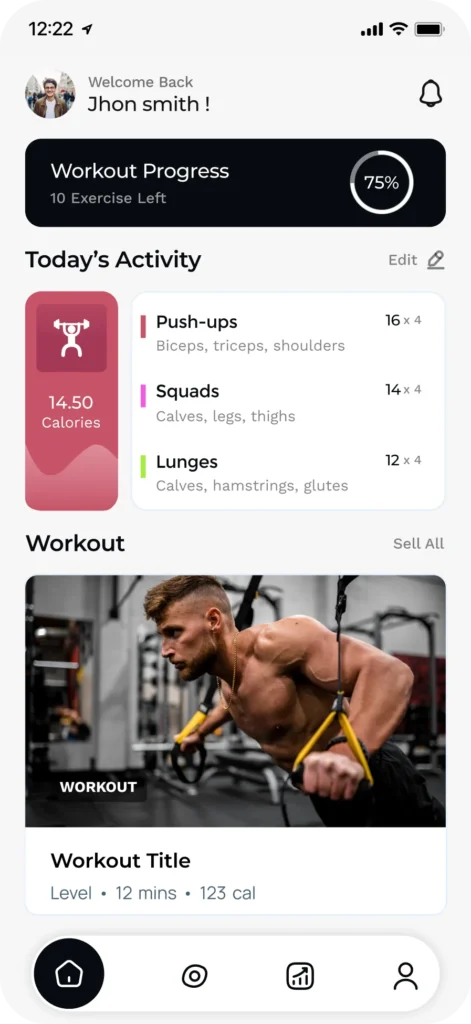
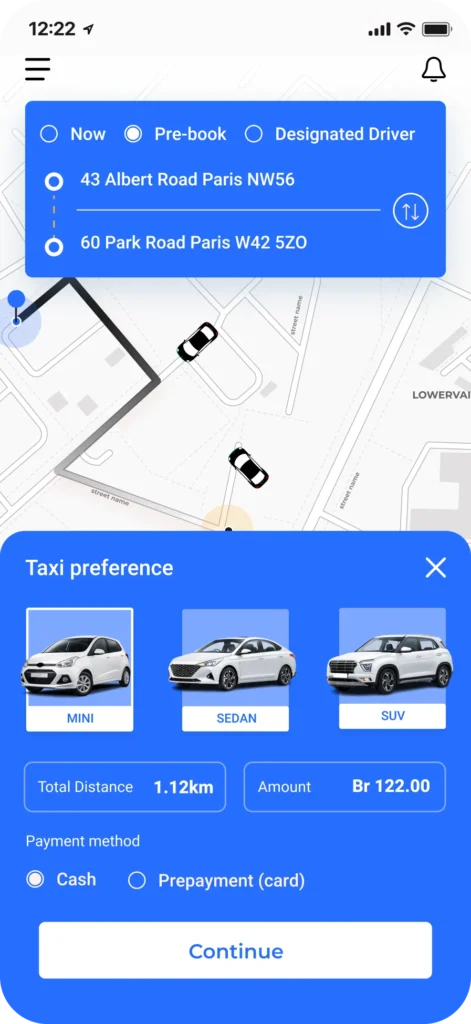
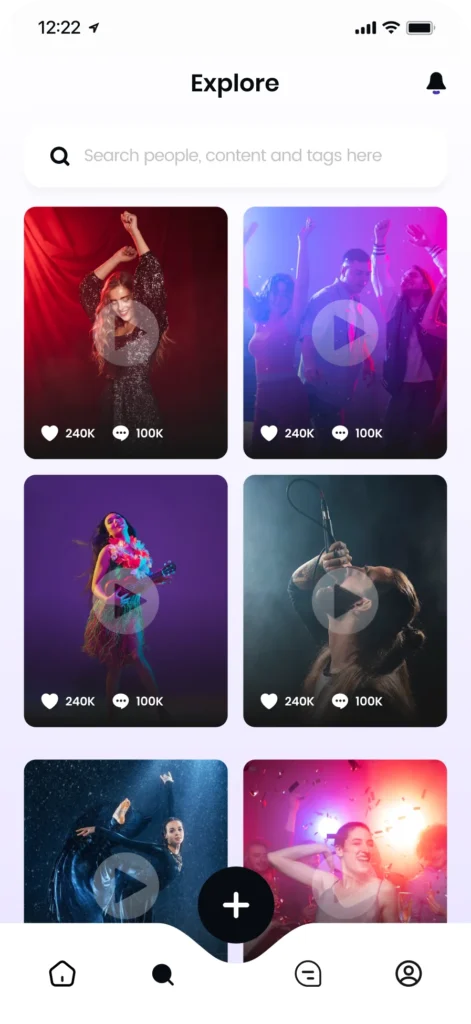
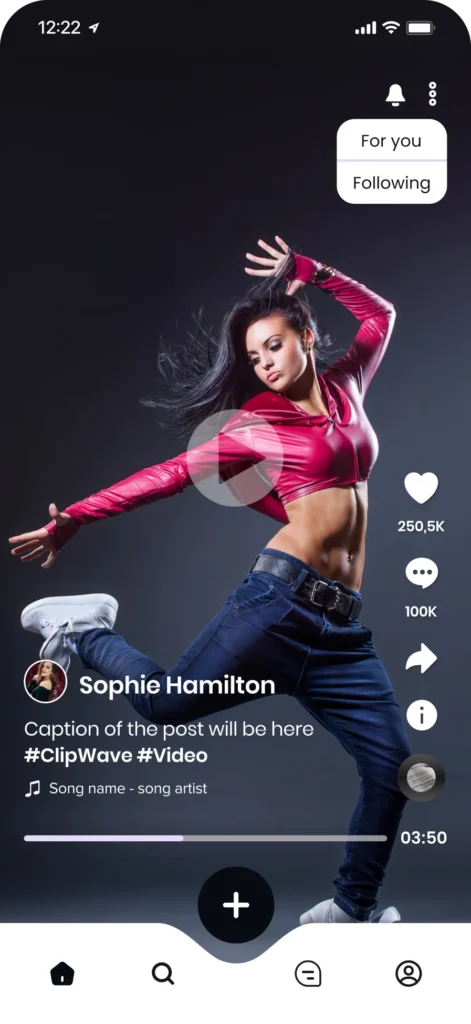
Our Web App Development Projects
Our web app development projects range across different industries. Here is a look at some of the web applications we have designed and built for clients in London and globally.



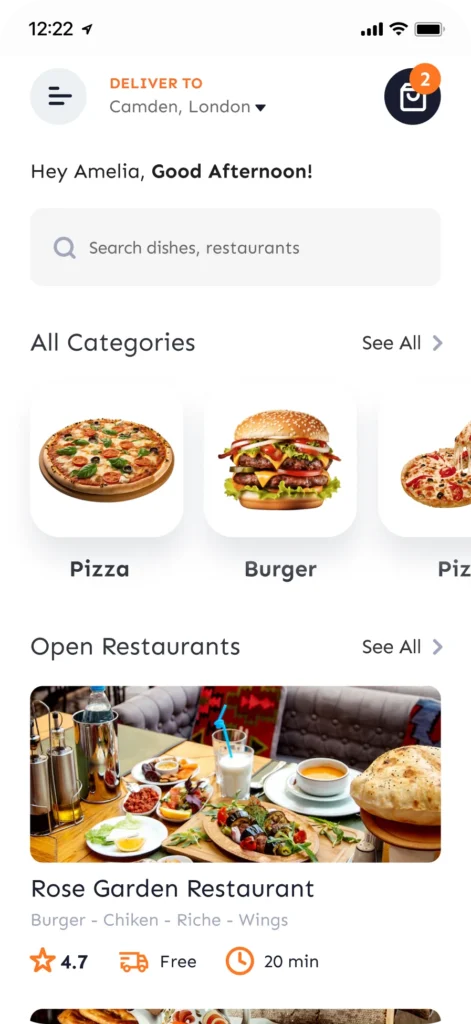
Let's Build a Powerful Web Application for Your Business
Transform your ideas into scalable, secure, and high-performing web applications tailored to your business needs. From MVPs to enterprise platforms, our experts deliver solutions that drive growth and enhance user experiences.
What Web App Development Services?
A web app development service is an end-to-end process covering the design, build, testing, and deployment of browser-based software applications. The services have a frontend, backend, database management, and API integration. UK businesses in industries rely on web app development to deliver secure, functional products without the overhead of native app development.
Why should Businesses Hire a Web App Development Company?
Businesses should hire a web app development company because building a web app requires technical expertise, a structured process, and industry knowledge that most in-house teams simply do not have.
Every stage is handled by specialists who have done it before, from scoping and UI/UX design through to testing, deployment, and ongoing support.
How do Web App Development Companies Ensure Quality?
To know how web app development companies ensure quality, follow the eight steps listed below.
- Review Code. Audit every pull request and flag issues against agreed coding standards before merging.
- Automate Testing. Run unit, integration, and regression tests using Jest, Selenium, or Cypress to verify functionality.
- Simulate QA Testing. Replicate real user journeys in browsers and devices to catch what automated tools miss.
- Execute Performance Testing. Run load and stress tests using JMeter or k6 to measure application behaviour under peak traffic.
- Conduct Security Audits. Perform vulnerability assessments and penetration testing to identify and patch exposure points pre-deployment.
- Validate Cross-Browser Compatibility. Test in Chrome, Firefox, Safari, and Edge to confirm consistent behaviour on all browsers.
- Configure CI/CD Pipelines. Set up automated build, test, and deployment pipelines using GitHub Actions or Jenkins to catch errors.
- Run User Acceptance Testing. Review and validate against original requirements to confirm the final product meets business expectations.
What are the Benefits of Web App Development?
The benefits of web app development are listed below.
- Cross-Platform Accessibility: Users access the app from any device and browser, and no installation is required at any point.
- Cost Efficiency: A single web application covers all platforms and avoids the cost of maintaining separate iOS and Android builds.
- Easy Maintenance: Updates are deployed server-side, and users access the latest version without manual downloads or disruptions.
- Scalability: The web app handles growing users and data volumes, and new features are added without requiring a full rebuild.
- Smooth Integrations: Third-party tools and APIs connect to the app, and all data is centralised in one place.
- Improved Security: Centralised hosting enables consistent security patches and access controls, and data encryption is applied.
- Better User Experience: Responsive design delivers a consistent layout in all screen sizes, and fast load times keep users engaged throughout.
- Real-Time Data Access: Users retrieve live data instantly, and teams make faster, more informed decisions as a result.
What Industries Benefit Most from Web Application Development?
The industries that benefit most from web application development are Healthcare, FinTech, and Retail. Healthcare simplifies management and medical records, while FinTech relies on web apps for transaction processing and compliance. Retail benefits by connecting inventory, POS systems, and customer data into a single platform.
Why is Web App Design Important for Development Success?
Web app design is important for development success because it defines the structure, user flow, and hierarchy that developers build from. Poor design decisions create costly rework later.
A well-designed web app reduces friction for users, impacting retention, conversion, and satisfaction. It ensures that every interface element, from navigation to CTAs, is placed to support user needs and goals.
Can Existing Web Applications Be Improved or Modernised?
Yes, existing web applications can be improved or modernised through optimisation, UI/UX redesigns, and tech stack upgrades without rebuilding from scratch. Legacy systems are migrated to modern frameworks, outdated codebases are refactored, and new integrations are added to extend the application's lifespan.
How Much Does It Cost to Develop a Web App?
The cost to develop a web app in the UK ranges from £10,000 for simple builds up to £150,000 or more for enterprise-grade apps with APIs and functionality. Final pricing depends on feature scope, platform selection, third-party integrations, and ongoing maintenance requirements.
What Types of Web App Development Services are Available?
The types of web app development services that are available are listed below.
- Custom Web App Development: Customised web app built around specific workflows and requirements.
- E-commerce Web Development: Online retail platforms with product catalogues, payment gateways, and order management.
- SPA Development: Single-page app that loads once and updates for a fast, fluid user experience.
- PWA Development: Web apps that deliver an app-like experience on devices without requiring an app store download.
- API Development and Integration: Custom APIs and third-party integrations that connect systems and simplify data flow.
- Web Application Modernisation: Upgrading outdated apps to improve performance, security, and usability.
- dApp Development: Decentralised web applications built on blockchain technology for secure, trustless operations.
- Marketplace App Development: Multi-vendor web platforms that connect buyers and sellers within a single, managed environment.
- OTT App Development: Web-based streaming platforms for delivering on-demand video and media content to users.
How long does it take to develop a Web Application?
It takes 4 weeks to 9 months to develop a web application, depending on features and the number of integrations required. Simple builds and MVPs sit at the lower end, while full-scale enterprise web application platforms with custom APIs extend over six months.
What Factors Influence Web App Development Timelines?
The factors that influence web app development timelines are listed below.
- Project Complexity: More features, screens, and custom functionality increase the hours needed for testing.
- Number of Integrations: Connecting third-party APIs, payment gateways, and external systems introduces additional configuration
- Design Requirements: Custom UI/UX with animations, branded components, and multiple breakpoints takes longer than standard interface builds.
- Team Size and Structure: Smaller teams work through tasks sequentially, while larger, dedicated teams run design, development, and QA.
- Client Feedback Cycles: Delayed approvals, revision requests, and changing requirements at late stages push timelines over the original scope.
- Tech Stack Selection: Frameworks and languages require more setup, configuration, and specialist knowledge, adding time at the build stage.
- Testing and QA Scope: Broader device coverage, security auditing, and performance testing extend the pre-launch phase.
- Regulatory Compliance: Apps requiring GDPR, HIPAA, or FCA alignment need additional legal review time before deployment.
Let's Discuss Your Idea
Take The First Step Forward
Talk to our support team. Give us a call. Drop us an email. Connect socially. Or write to us through the form below.
Phone
+44 753 713 2299
Address
182-184 High Street North, East Ham, London, United Kingdom, E6 2JA

Fill Up form our team will get back to you with in 24 hours